

Is Plain French Terry eco - friendly?
Aug 25, 2026
Leave a message
In the contemporary era, the global community is increasingly attuned to environmental concerns, and the textile industry is no exception. As a supplier of Plain French Terry, I am often asked about the eco - friendliness of this fabric. In this blog, I will delve into the aspects that determine whether Plain French Terry can be considered an environmentally friendly option.
Composition of Plain French Terry
Plain French Terry comes in different compositions. The most common ones are cotton - polyester blends, 100% cotton, and polyester - cotton blends. Each of these compositions has its own environmental implications.
Cotton - Polyester Terry Fabric
Cotton - polyester blends are quite popular in the production of Plain French Terry. Cotton is a natural fiber, which is biodegradable. It is grown from plants and requires water, sunlight, and soil to thrive. However, traditional cotton farming often involves the use of large amounts of pesticides and fertilizers, which can have a negative impact on the environment. These chemicals can contaminate soil and water sources, harming local ecosystems.
On the other hand, polyester is a synthetic fiber made from petroleum. It is non - biodegradable and takes hundreds of years to break down in the environment. The production of polyester also requires a significant amount of energy and generates a large amount of greenhouse gas emissions. When it comes to Cotton - Polyester Terry Fabric, the environmental impact is a combination of the two. The biodegradability of cotton helps to some extent, but the presence of non - biodegradable polyester still raises concerns.
100% French Terry
100% cotton Plain French Terry is often seen as a more environmentally friendly option. Cotton is a renewable resource, and when it is grown using sustainable farming practices, it can have a relatively low environmental impact. Organic cotton farming, for example, avoids the use of synthetic pesticides and fertilizers, reducing the pollution associated with traditional cotton production.
Moreover, 100% cotton is fully biodegradable. When the fabric reaches the end of its life cycle, it can decompose naturally in the soil, returning nutrients to the earth. This makes 100 French Terry a more sustainable choice compared to blends that contain synthetic fibers.
Polyester - Cotton Terry Fabric
Polyester - cotton blends are similar to cotton - polyester blends in terms of environmental impact. The polyester component still poses challenges due to its non - biodegradability and high energy consumption during production. However, the cotton in the blend does add some positive environmental aspects, such as biodegradability. You can find more information about Polyester - Cotton Terry Fabric.
Production Process
The production process of Plain French Terry also plays a crucial role in determining its eco - friendliness.
Dyeing and Finishing
Dyeing and finishing processes can be major sources of pollution in the textile industry. Traditional dyeing methods often use large amounts of water and chemicals. These chemicals can be toxic and may end up in water bodies, causing pollution. However, there are now more sustainable dyeing and finishing techniques available. For example, some manufacturers are using natural dyes derived from plants, which are biodegradable and less harmful to the environment. Additionally, water - saving technologies are being adopted to reduce the amount of water used in the dyeing process.
Energy Consumption
The production of Plain French Terry requires energy for various processes, such as spinning, weaving, and finishing. If the energy used comes from non - renewable sources like coal or oil, it will contribute to greenhouse gas emissions. On the other hand, if the manufacturer uses renewable energy sources such as solar or wind power, the environmental impact can be significantly reduced.
End - of - Life Disposal
The way Plain French Terry is disposed of at the end of its life is another important factor in assessing its eco - friendliness.
Biodegradability
As mentioned earlier, 100% cotton Plain French Terry is biodegradable. When it is discarded, it will break down naturally over time, reducing waste in landfills. In contrast, fabrics containing polyester will persist in the environment for a long time.
Recycling
Recycling is another option for reducing the environmental impact of Plain French Terry. Some types of polyester - cotton blends can be recycled, although the process can be complex. Cotton can also be recycled into new fibers, which can be used to make new fabrics. However, the recycling rate of textiles is still relatively low, and more efforts are needed to improve the infrastructure for textile recycling.
Our Commitment as a Supplier
As a supplier of Plain French Terry, we are committed to promoting environmental sustainability. We source our materials from suppliers who follow sustainable farming and production practices. We encourage the use of organic cotton and support the development of more sustainable dyeing and finishing techniques.
We also work with our customers to raise awareness about the environmental impact of the fabrics they use. By providing information about the different compositions and production processes of Plain French Terry, we hope to help our customers make more informed decisions.
Conclusion
In conclusion, the eco - friendliness of Plain French Terry depends on several factors, including its composition, production process, and end - of - life disposal. 100% cotton Plain French Terry is generally more environmentally friendly than blends containing polyester due to its biodegradability. However, even in the case of blends, efforts can be made to reduce the environmental impact through sustainable production and recycling.

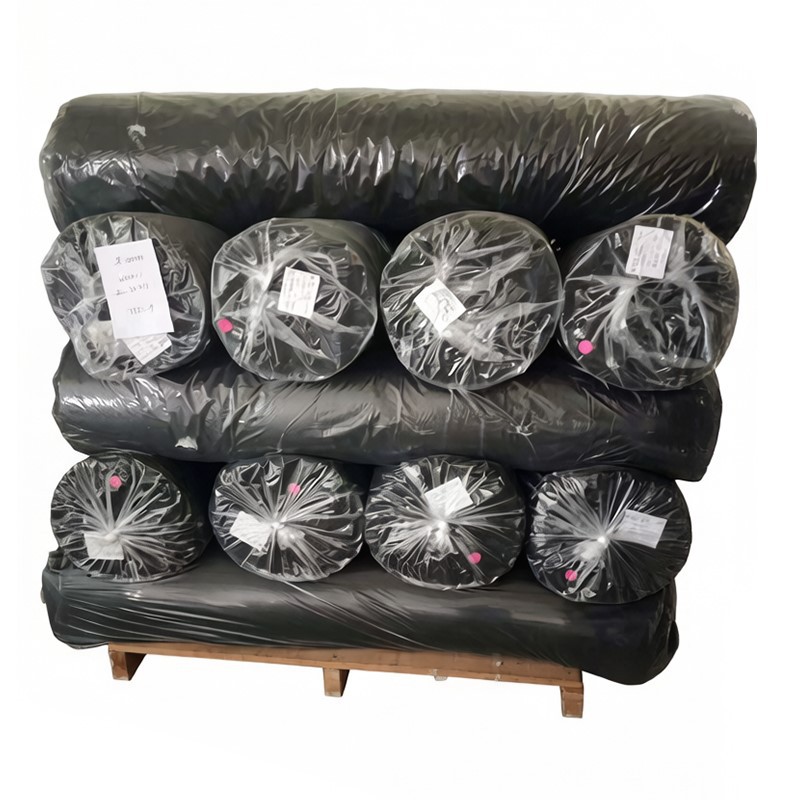
If you are interested in purchasing Plain French Terry and would like to discuss more about its environmental aspects and other product details, please feel free to reach out to us. We are more than happy to engage in procurement discussions and provide you with the best solutions for your needs.
References
- "Textile Sustainability: A Review of the Environmental Impact and Solutions" - Journal of Environmental Science and Technology
- "The Future of Sustainable Textiles" - International Textile Magazine
- "Cotton Production and its Environmental Impact" - Agricultural Research Journal