

What is the drape of knitted fabric?
Oct 15, 2026
Leave a message
What is the drape of knitted fabric?
As a supplier of knitted fabrics, I've spent a great deal of time exploring the various characteristics of these materials. One of the most fascinating and important aspects is the drape of knitted fabric. In this blog post, I'll delve into what drape means, how it's measured, and why it matters in the world of fashion and textile design.
Understanding the Concept of Drape
Drape refers to the way a fabric falls and hangs under its own weight. It's a visual and tactile quality that can significantly influence the overall appearance and feel of a garment. A fabric with good drape will flow gracefully, creating soft, fluid lines that enhance the silhouette of the wearer. On the other hand, a fabric with poor drape may look stiff and unflattering, failing to conform to the body's curves.
The drape of a knitted fabric is determined by several factors, including its fiber content, stitch structure, and weight. Different fibers have different properties that affect drape. For example, natural fibers like cotton and silk tend to have a soft, luxurious drape, while synthetic fibers like polyester may have a stiffer, more structured drape. The stitch structure of the fabric also plays a role. Fabrics with a looser stitch, such as a jersey knit, generally have a better drape than those with a tighter stitch.
Measuring Drape
There are several methods for measuring the drape of a fabric. One of the most common is the drape coefficient test. In this test, a circular sample of the fabric is placed on a horizontal platform, and the amount of the fabric that drapes over the edge of the platform is measured. The drape coefficient is then calculated as the ratio of the area of the draped fabric to the area of the original circular sample. A lower drape coefficient indicates a better drape, as the fabric is able to fall more freely.
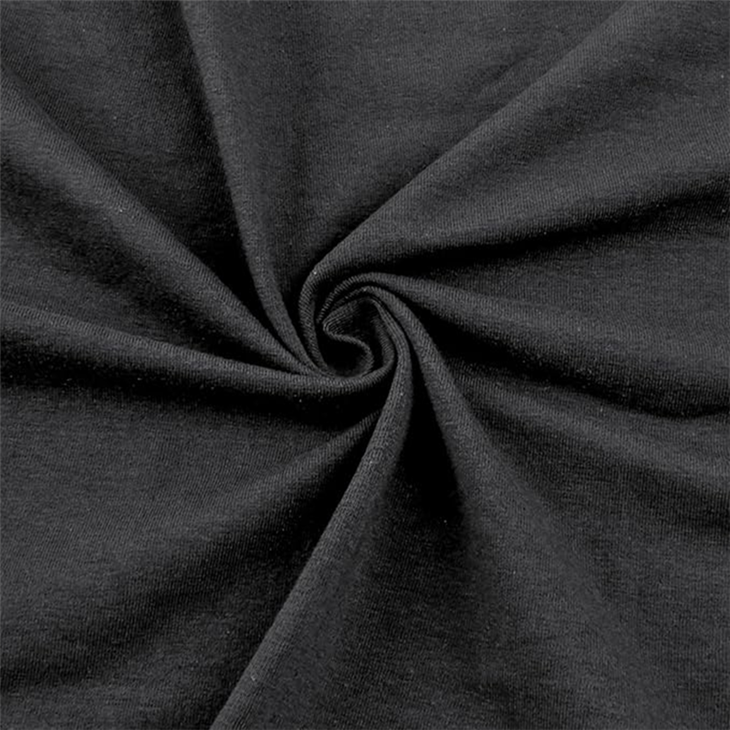
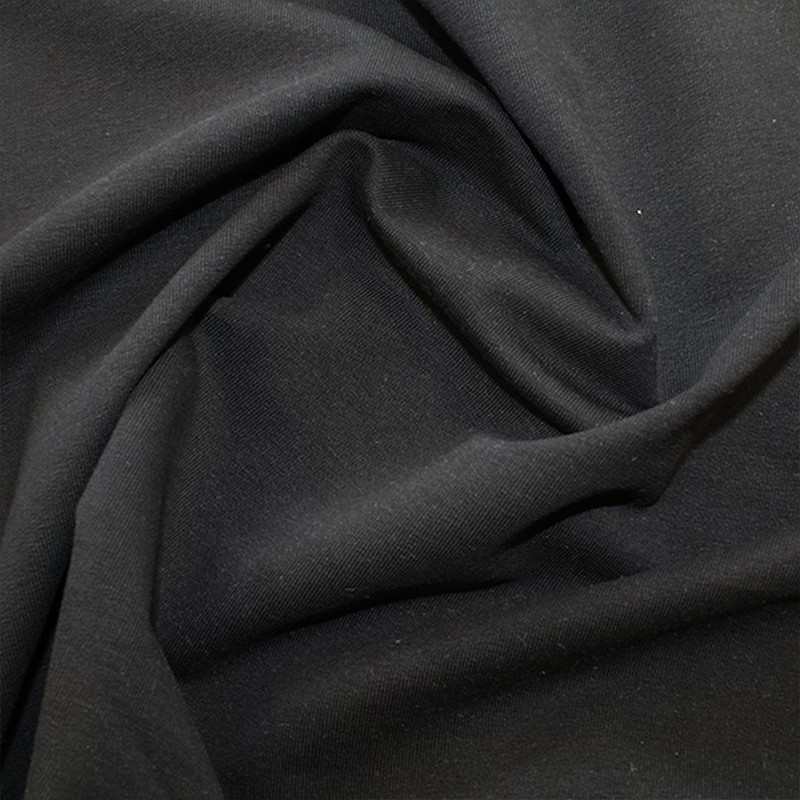
Another method for measuring drape is the subjective evaluation. This involves having a panel of experts or consumers assess the drape of the fabric based on their visual and tactile perception. They may rate the fabric on a scale from poor to excellent, taking into account factors such as the smoothness of the drape, the way it conforms to the body, and the overall aesthetic appeal.
Importance of Drape in Fashion and Textile Design
The drape of a knitted fabric is crucial in fashion and textile design for several reasons. Firstly, it affects the fit and comfort of a garment. A fabric with good drape will move with the body, allowing for ease of movement and a more comfortable wearing experience. It will also conform to the body's curves, creating a flattering silhouette.
Secondly, drape plays a significant role in the aesthetic appeal of a garment. A fabric with a beautiful drape can add a sense of elegance and sophistication to a design. It can create soft, flowing lines that enhance the overall look of the garment, making it more visually appealing.
Finally, drape can also influence the functionality of a garment. For example, in sportswear, a fabric with good drape can provide better freedom of movement, allowing athletes to perform at their best. In home textiles, a fabric with a nice drape can add a touch of luxury and comfort to a room.
Factors Affecting the Drape of Knitted Fabric
As mentioned earlier, the fiber content, stitch structure, and weight of a knitted fabric are the main factors that affect its drape. Let's take a closer look at each of these factors:
- Fiber Content: Different fibers have different properties that affect drape. Natural fibers like cotton, silk, and wool are known for their soft, luxurious drape. They are able to absorb moisture, which helps to keep the fabric soft and pliable. Synthetic fibers like polyester and nylon, on the other hand, tend to have a stiffer, more structured drape. They are often used in combination with natural fibers to improve the durability and performance of the fabric.
- Stitch Structure: The stitch structure of a knitted fabric also plays a role in its drape. Fabrics with a looser stitch, such as a jersey knit, generally have a better drape than those with a tighter stitch. This is because the looser stitch allows the fabric to move more freely, creating a softer, more fluid drape.
- Weight: The weight of a knitted fabric can also affect its drape. Heavier fabrics tend to have a more structured drape, while lighter fabrics have a softer, more flowing drape. The weight of the fabric is determined by the thickness of the yarn and the density of the stitches.
Our Knitted Fabrics and Their Drape
At our company, we offer a wide range of knitted fabrics with different drape characteristics. For example, our White Jersey Knit Fabric has a soft, flowing drape that makes it perfect for creating comfortable and stylish garments. The jersey stitch structure allows the fabric to move with the body, providing ease of movement and a flattering silhouette.
Our Organic Knit Fabric is made from natural fibers, which gives it a luxurious drape. The organic cotton used in this fabric is soft and breathable, making it ideal for summer clothing. The fabric has a smooth, flowing drape that adds a touch of elegance to any design.
If you're looking for a fabric with a more structured drape, our Black Jersey Knit Fabric is a great choice. The jersey stitch structure combined with the slightly heavier weight of the fabric gives it a more defined drape, making it suitable for creating more tailored garments.
Conclusion
In conclusion, the drape of a knitted fabric is an important characteristic that can significantly influence the appearance, fit, and functionality of a garment. Understanding the factors that affect drape, such as fiber content, stitch structure, and weight, can help you choose the right fabric for your project. At our company, we are committed to providing high-quality knitted fabrics with a variety of drape characteristics to meet the needs of our customers.
If you're interested in learning more about our knitted fabrics or would like to discuss your specific requirements, please feel free to contact us. We look forward to working with you to create the perfect fabric for your next project.
References
- ASTM D1388 - Standard Test Method for Stiffness of Fabrics
- Textile Institute. (2019). Handbook of Textile Fibre Structure. Woodhead Publishing.
- Tortora, P. G., & Merkel, K. A. (2016). Fairchild's Dictionary of Textiles. Fairchild Books.