

Can heavyweight jersey fabric be ironed?
Oct 09, 2026
Leave a message
Heavyweight jersey fabric is a popular choice in the textile industry, known for its durability, comfort, and versatility. As a supplier of heavyweight jersey fabric, I often receive questions from customers about its care and maintenance, especially regarding ironing. In this blog post, I'll explore whether heavyweight jersey fabric can be ironed, the best practices for doing so, and how to avoid common pitfalls.
Can Heavyweight Jersey Fabric Be Ironed?
The short answer is yes, heavyweight jersey fabric can be ironed. However, it's important to approach the process with caution due to the fabric's unique properties. Heavyweight jersey is typically made from a blend of cotton, polyester, or other fibers, which can react differently to heat. Unlike some other fabrics, jersey has a stretchy and knitted structure, which means it can be more prone to damage if not ironed correctly.
Understanding the Fabric's Composition
Before you start ironing, it's crucial to understand the composition of your heavyweight jersey fabric. Different fiber blends have different heat tolerances, and using the wrong iron setting can lead to shrinkage, melting, or scorching. Most heavyweight jersey fabrics contain a significant amount of cotton, which is generally heat-resistant but can shrink if exposed to high temperatures. Polyester, on the other hand, is more heat-sensitive and can melt if the iron is too hot.
To determine the best iron setting for your fabric, check the care label. The care label will provide specific instructions on the maximum ironing temperature and any other special care requirements. If the care label is missing or unclear, it's a good idea to test a small, inconspicuous area of the fabric first to see how it reacts to heat.
Best Practices for Ironing Heavyweight Jersey Fabric
Once you've determined the appropriate iron setting, follow these best practices to ensure a successful ironing experience:
- Use a Low to Medium Heat Setting: As a general rule, it's best to start with a low to medium heat setting on your iron. This will help prevent damage to the fabric while still allowing you to remove wrinkles effectively. If you need to increase the heat, do so gradually and test a small area first.
- Iron on the Reverse Side: To protect the surface of the fabric, iron on the reverse side whenever possible. This will help prevent any direct contact between the iron and the fabric, reducing the risk of shine, scorching, or melting.
- Use a Pressing Cloth: If you're ironing on the right side of the fabric, use a pressing cloth to create a barrier between the iron and the fabric. A pressing cloth can be a piece of cotton or muslin that you place over the fabric before ironing. This will help distribute the heat evenly and prevent any damage to the fabric.
- Avoid Excessive Pressure: Heavyweight jersey fabric is stretchy, so it's important to avoid applying excessive pressure when ironing. Instead, use a gentle touch and let the weight of the iron do the work. Applying too much pressure can cause the fabric to stretch or distort, resulting in an uneven appearance.
- Iron in the Direction of the Grain: To maintain the fabric's natural drape and shape, iron in the direction of the grain. The grain of the fabric refers to the direction in which the fibers run, and ironing against the grain can cause the fabric to stretch or distort.
- Let the Fabric Cool: After ironing, let the fabric cool completely before folding or wearing it. This will help the fabric retain its shape and prevent any wrinkles from reappearing.
Common Pitfalls to Avoid
When ironing heavyweight jersey fabric, there are several common pitfalls to avoid:
- Using a High Heat Setting: As mentioned earlier, using a high heat setting can cause the fabric to shrink, melt, or scorch. Always start with a low to medium heat setting and test a small area first.
- Ironing Wet Fabric: Ironing wet fabric can cause the fabric to stretch or distort, resulting in an uneven appearance. Make sure the fabric is completely dry before ironing.
- Applying Excessive Pressure: Applying excessive pressure can cause the fabric to stretch or distort, resulting in an uneven appearance. Use a gentle touch and let the weight of the iron do the work.
- Ironing Against the Grain: Ironing against the grain can cause the fabric to stretch or distort, resulting in an uneven appearance. Always iron in the direction of the grain.
- Not Using a Pressing Cloth: Not using a pressing cloth can cause the fabric to shine, scorch, or melt. Always use a pressing cloth when ironing on the right side of the fabric.
Other Care and Maintenance Tips
In addition to ironing, there are several other care and maintenance tips to keep in mind when dealing with heavyweight jersey fabric:
- Wash in Cold Water: To prevent shrinkage and damage, wash heavyweight jersey fabric in cold water. Use a gentle cycle and a mild detergent.
- Avoid Bleach: Bleach can damage the fabric and cause it to lose its color. Avoid using bleach when washing heavyweight jersey fabric.
- Tumble Dry on Low: To prevent shrinkage and damage, tumble dry heavyweight jersey fabric on low. Remove the fabric from the dryer while it's still slightly damp to prevent wrinkles.
- Store Properly: To prevent wrinkles and damage, store heavyweight jersey fabric in a cool, dry place. Avoid folding the fabric for long periods of time, as this can cause creases to form.
Conclusion
In conclusion, heavyweight jersey fabric can be ironed, but it's important to approach the process with caution. By understanding the fabric's composition, using the right iron setting, and following the best practices outlined in this blog post, you can ensure a successful ironing experience and keep your heavyweight jersey fabric looking its best.

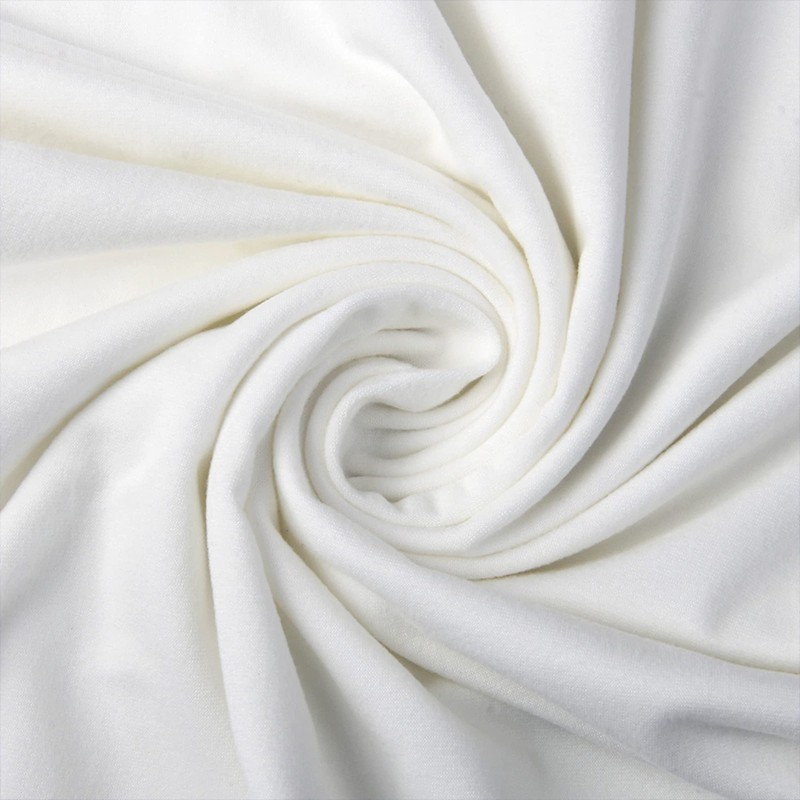
If you're interested in purchasing heavyweight jersey fabric or other types of knitted fabrics, I encourage you to explore our website. We offer a wide range of high-quality fabrics, including Wool Knit Fabric By The Yard, Double Brushed Poly Knit Fabric, and Basic Knitted Fabrics. Our team of experts is always available to answer any questions you may have and help you find the perfect fabric for your project.
References
- Textile Institute. (2023). Care and Maintenance of Knitted Fabrics.
- American Association of Textile Chemists and Colorists. (2023). Heat Transfer and Fabric Care.