

What are the disadvantages of basic knitted fabrics?
Jun 12, 2026
Leave a message
Hey there! I'm a supplier of Basic Knitted Fabrics, and today I want to have an open chat about the not - so - great aspects of these fabrics. While basic knitted fabrics are super popular and have many uses, they're not without their drawbacks.
Shrinkage Woes
One of the biggest headaches with basic knitted fabrics is shrinkage. When you wash them, especially in hot water, they tend to shrink. This is because the knitting structure allows the fibers to move and bunch up. For example, if you've got a favorite sweater made from a basic knitted fabric, after a few washes, it might end up fitting like a child's garment.
The shrinkage can be unpredictable too. Sometimes, it might just shrink a little bit, and other times, it could shrink a whole size. This is a real pain for consumers. They buy a piece of clothing, and after a few washes, it's no longer wearable. As a supplier, we try our best to recommend proper washing instructions, but it's still a common issue.
Pilling Problems
Pilling is another major disadvantage. Over time, as the fabric rubs against other surfaces, like your chair or your backpack, little balls of fibers start to form on the surface. This makes the fabric look old and shabby.
Basic knitted fabrics are more prone to pilling because of their loose structure. The fibers can easily break off and tangle together to form those pesky pills. It's not just an aesthetic issue; pilling can also affect the durability of the fabric. Once the pills start to form, they can pull on the surrounding fibers and cause more damage.
For instance, if you're wearing a knitted top and it starts to pill after a few wears, you might not want to wear it anymore because it looks so unkempt. And as a supplier, we know that customers are less likely to buy products that are prone to pilling.
Stretching and Losing Shape
Basic knitted fabrics are stretchy, which is great in some ways, but it can also be a problem. Over time, with repeated stretching, the fabric can lose its shape. If you've ever worn a knitted skirt or a pair of knitted pants, you might have noticed that after a while, they start to sag or stretch out of shape.
This is especially true for fabrics that are made with a lot of elastane or other stretchy fibers. While they provide a comfortable fit at first, the constant stretching and relaxing of the fibers can cause them to lose their elasticity. As a result, the garment doesn't fit as well as it did when you first bought it.
Color Fading
Color fading is yet another issue with basic knitted fabrics. When exposed to sunlight, detergents, and repeated washing, the colors of the fabric can start to fade. This is a big deal for both consumers and suppliers.
Consumers want their clothes to look vibrant and new for as long as possible. But with basic knitted fabrics, the colors can quickly lose their intensity. For example, if you buy a bright red knitted top, after a few washes, it might turn into a dull pink.
As a supplier, we try to use high - quality dyes, but sometimes, the nature of the fabric itself makes it difficult to prevent color fading. The knitting structure can allow the dyes to leach out more easily, especially when the fabric is exposed to harsh chemicals or high temperatures.
Poor Durability in High - Stress Areas
Basic knitted fabrics are not always the best choice for high - stress areas. For example, if you're making a pair of work pants or a backpack, the fabric might not hold up well in areas that experience a lot of friction or stretching.
The loose knitting structure can make the fabric more prone to tearing or fraying. In a high - stress environment, the fabric can quickly start to show signs of wear and tear. This is a concern for both consumers and suppliers. Consumers don't want to buy products that fall apart quickly, and suppliers don't want to have a reputation for selling low - quality items.

Limited Insulation
If you're looking for a fabric that provides good insulation, basic knitted fabrics might not be the best option. While some knitted fabrics can provide a certain amount of warmth, they are generally not as insulating as other types of fabrics, like wool or fleece.
The open structure of the knitting allows air to pass through more easily, which means that heat can escape. This is a problem, especially in cold weather. If you're wearing a knitted sweater in the winter, you might find yourself feeling cold even though you're bundled up.
Static Electricity
Basic knitted fabrics are also prone to static electricity. When the fabric rubs against other materials, like your hair or your clothes, it can build up a static charge. This can be annoying, as it can cause your clothes to stick to your body or your hair to stand on end.
Static electricity can also attract dust and lint, which can make the fabric look dirty. As a supplier, we know that this is a turn - off for many customers. No one wants to wear clothes that are constantly attracting dirt and making their hair look crazy.
Comparison with Other Fabrics
Let's compare basic knitted fabrics with some other types of fabrics to really understand their disadvantages. Take cotton woven fabrics, for example. Cotton woven fabrics are generally more durable and less prone to shrinkage and pilling. They also have a more structured look, which can be great for formal or professional wear.
On the other hand, basic knitted fabrics are more stretchy and comfortable, but they lack the durability and structure of woven fabrics. Another comparison is with synthetic fabrics like polyester. Polyester is known for its resistance to shrinkage, pilling, and color fading. Basic knitted fabrics, as we've seen, struggle in these areas.
Our Efforts to Mitigate Disadvantages
As a supplier of Basic Knitted Fabrics, we're constantly working to address these disadvantages. We're investing in research and development to find ways to make our fabrics more resistant to shrinkage, pilling, and color fading.
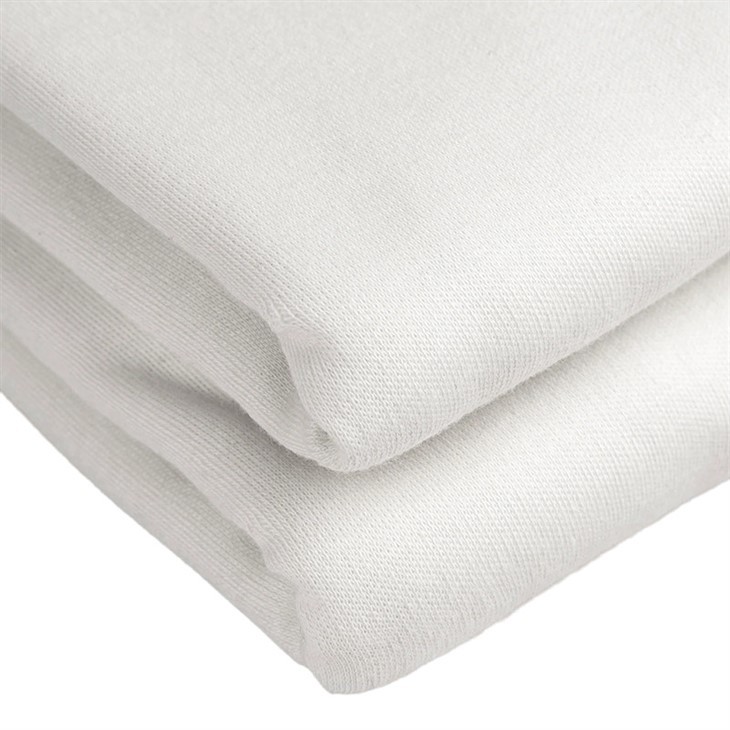
We're also providing better care instructions to our customers to help them keep their knitted products in good condition. For example, we recommend washing our Black Jersey Knit Fabric and White Jersey Knit Fabric in cold water and using a gentle detergent.
Conclusion and Call to Action
Despite the disadvantages, basic knitted fabrics still have a lot to offer. They're comfortable, stretchy, and can be used in a wide variety of applications. If you're in the market for knitted fabrics, don't let these drawbacks scare you away. We're here to help you find the right fabric for your needs.
If you're interested in purchasing our basic knitted fabrics, we'd love to have a chat with you. We can discuss your specific requirements and help you choose the best fabric for your project. Whether you're a fashion designer, a manufacturer, or just someone looking for a nice piece of clothing, we've got you covered.
References
- Textile Science textbooks
- Industry reports on knitted fabric performance
- Consumer feedback on knitted fabric products