

Is french terry easy to sew?
Jun 16, 2026
Leave a message
French terry is a popular fabric known for its softness, comfort, and versatility. As a French terry supplier, I often get asked whether this fabric is easy to sew. In this blog post, I'll share my insights on the sewing process of French terry, its challenges, and some tips to make your sewing experience smoother.
Understanding French Terry
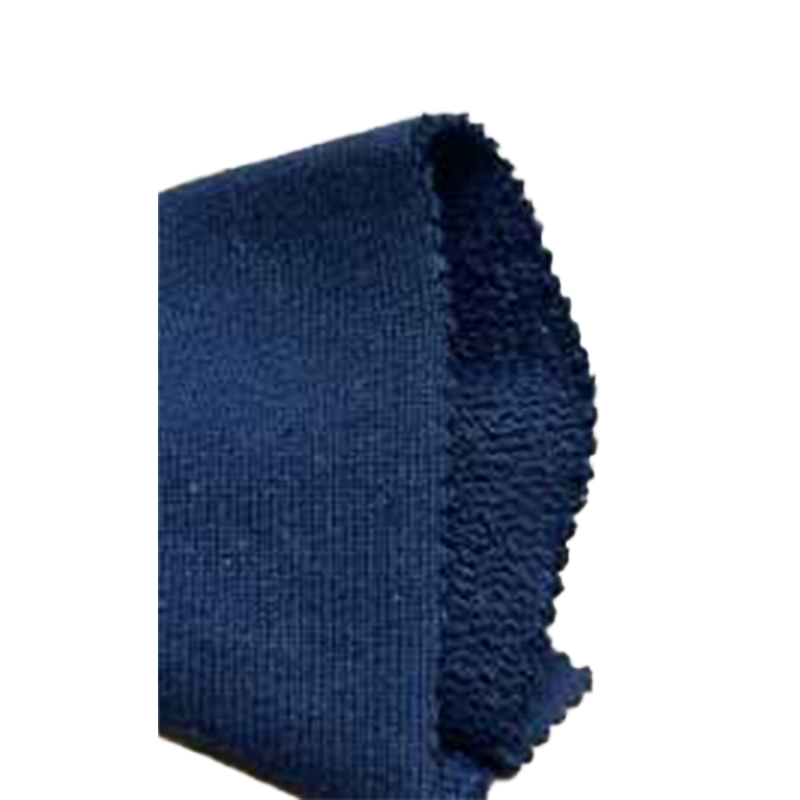
French terry is a looped fabric that typically has a smooth face and a terry-like looped back. It is commonly made from cotton, which gives it a breathable and comfortable feel. This fabric is widely used in making casual wear, sportswear, loungewear, and baby clothes due to its soft texture and absorbent nature.
Ease of Sewing French Terry
One of the great things about French terry is that it is generally easy to sew, especially for those with some basic sewing skills. Here are some reasons why:
Soft and Flexible
French terry is a soft and flexible fabric, which makes it easy to manipulate. Unlike some stiffer fabrics, it drapes well and can be easily shaped into different garments. Whether you're making a simple t-shirt or a more complex pair of sweatpants, French terry can be cut and sewn with relative ease.
Stretchability
French terry has a certain degree of stretch, which is beneficial when sewing. The stretch allows the fabric to move with the body, making the finished garment more comfortable to wear. When sewing with French terry, you can use a stretch stitch or a serger to accommodate the stretch and prevent the seams from breaking.
Absorbent
The absorbent nature of French terry means that it doesn't fray as easily as some other fabrics. This can be an advantage when sewing, as you don't have to worry as much about finishing the edges to prevent fraying. However, it's still a good idea to finish the edges for a neater look.
Challenges of Sewing French Terry
While French terry is generally easy to sew, there are some challenges that you may encounter:
Loose Loops
The looped back of French terry can sometimes cause problems when sewing. The loops can get caught in the sewing machine needle or under the presser foot, leading to uneven stitches or skipped stitches. To avoid this, you can use a walking foot or a roller foot on your sewing machine. These feet help to feed the fabric evenly through the machine, preventing the loops from getting caught.
Bulk at Seams
When sewing multiple layers of French terry, the seams can become bulky. This can be a problem, especially if you're making a garment that requires a smooth finish. To reduce the bulk at the seams, you can trim the seam allowances and use a technique called grading. Grading involves trimming the seam allowances at different widths, with the top layer being the narrowest. This helps to reduce the bulk and make the seams lie flat.
Stretch Management
While the stretch of French terry is an advantage, it can also be a challenge to manage. If you're not careful, the fabric can stretch out of shape during the sewing process. To prevent this, you can use stay stitching along the edges of the fabric before cutting and sewing. Stay stitching helps to stabilize the fabric and prevent it from stretching.
Tips for Sewing French Terry
Here are some tips to make your sewing experience with French terry easier:
Choose the Right Needle
Use a ballpoint or stretch needle when sewing French terry. These needles are designed to penetrate the fabric without damaging the fibers, which helps to prevent skipped stitches.
Use a Walking Foot
As mentioned earlier, a walking foot can help to feed the fabric evenly through the machine, especially when sewing multiple layers of French terry. This can prevent the loops from getting caught and ensure that the stitches are even.
Pin Carefully
When pinning French terry, use sharp pins and be careful not to stretch the fabric. You can also use clips instead of pins to hold the fabric together, as clips are less likely to stretch the fabric.
Finish the Edges
While French terry doesn't fray as easily as some other fabrics, it's still a good idea to finish the edges for a neater look. You can use a serger, a zigzag stitch, or a bias binding to finish the edges.
Test on a Scrap Piece
Before sewing your final garment, it's a good idea to test the sewing process on a scrap piece of French terry. This allows you to adjust the settings on your sewing machine and practice the techniques you'll be using.
French Terry Fabric Options
As a French terry supplier, I offer a wide range of French terry fabrics in different colors and styles. Here are some of our popular options:
- Yellow French Terry Fabric: This bright and cheerful fabric is perfect for making summer clothing, such as t-shirts, shorts, and dresses.
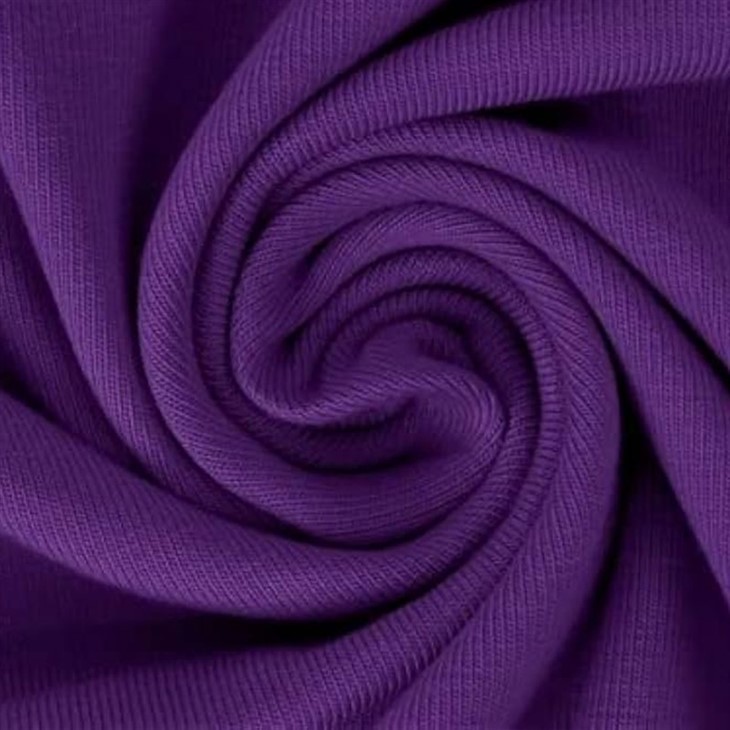
- Purple French Terry Fabric: A rich and vibrant purple fabric that can add a pop of color to your wardrobe. It's great for making loungewear, hoodies, and leggings.
- Vintage French Terry: This fabric has a unique, aged look that gives it a vintage feel. It's perfect for making retro-inspired clothing, such as bowling shirts and high-waisted pants.
Conclusion
In conclusion, French terry is generally easy to sew, especially for those with some basic sewing skills. While there are some challenges, such as dealing with the loops and managing the stretch, these can be overcome with the right techniques and tools. Whether you're a beginner or an experienced sewer, French terry is a great fabric to work with.
If you're interested in purchasing French terry fabric for your next sewing project, I'd love to hear from you. We offer high-quality French terry fabrics at competitive prices, and we're committed to providing excellent customer service. Contact us today to discuss your requirements and start your next sewing adventure.
References
- "Sewing with French Terry" by Sewing Machine Guide
- "French Terry Fabric: A Comprehensive Guide" by Fabric.com