

How to add prints to white jersey knit fabric?
Oct 29, 2026
Leave a message
Adding prints to white jersey knit fabric can transform a simple, plain textile into a vibrant and unique piece. As a supplier of high - quality White Jersey Knit Fabric, I'm well - versed in the different methods and techniques of printing on this type of fabric. In this blog, I'll share some valuable insights on how to add prints to white jersey knit fabric.
Understanding White Jersey Knit Fabric
Before delving into the printing process, it's crucial to understand the characteristics of white jersey knit fabric. This fabric is known for its softness, stretchability, and breathability. It's commonly used in a wide range of clothing items, such as t - shirts, dresses, and activewear. The white color provides a blank canvas for various prints, making it a popular choice for designers and manufacturers.
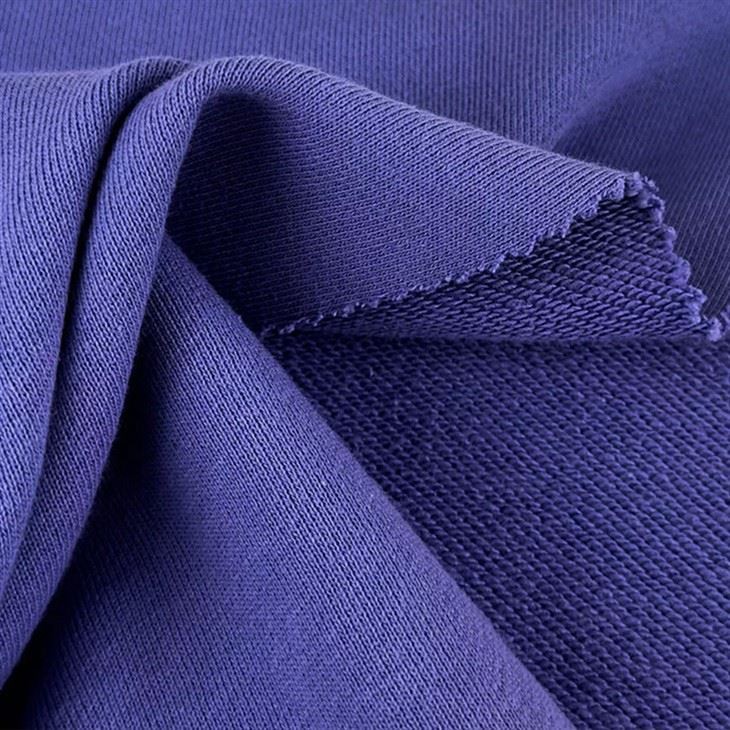
One of the key advantages of jersey knit fabric is its ability to conform to the body's shape. However, this stretchy nature can pose challenges during the printing process. The fabric may shift or distort, which can affect the accuracy of the print. Therefore, it's important to choose the right printing method and take appropriate measures to ensure a high - quality print.
Choosing the Right Printing Method
There are several printing methods available for adding prints to white jersey knit fabric. Each method has its own advantages and disadvantages, and the choice depends on various factors, such as the design complexity, the quantity of prints, and the budget.
Screen Printing
Screen printing is one of the most traditional and widely used methods for printing on fabric. It involves creating a stencil (or screen) for each color in the design. Ink is then forced through the screen onto the fabric using a squeegee. Screen printing is suitable for large - scale production and can produce vibrant, long - lasting prints.
However, screen printing has some limitations. It requires a significant amount of setup time and is not very cost - effective for small - quantity orders. Also, it may not be suitable for very detailed or complex designs, as the screens can be difficult to create and align accurately.
Digital Printing
Digital printing is a more modern and versatile method. It uses a digital printer to directly transfer the design onto the fabric. This method is ideal for small - quantity orders and complex designs, as it allows for high - resolution printing and can reproduce a wide range of colors.
Digital printing also offers more flexibility in terms of design changes. You can easily modify the design without having to create new screens. However, digital printing can be more expensive per print compared to screen printing, especially for large - scale production.
Heat Transfer Printing
Heat transfer printing involves printing the design onto a special transfer paper and then using heat and pressure to transfer the design onto the fabric. This method is relatively simple and can be used for both small - and large - quantity orders.
Heat transfer printing is suitable for designs with fine details and a wide range of colors. However, the prints may not be as durable as those produced by screen or digital printing, and the transfer process can sometimes cause the fabric to feel stiff.
Preparing the Fabric
Proper preparation of the white jersey knit fabric is essential for a successful print. Here are some steps to follow:
Washing and Drying
Before printing, it's recommended to wash and dry the fabric. This helps to remove any sizing, dirt, or impurities that may affect the print quality. Use a mild detergent and avoid using fabric softeners, as they can create a barrier that prevents the ink from adhering to the fabric.
Stretching and Tensioning
As mentioned earlier, the stretchy nature of jersey knit fabric can cause problems during printing. To minimize this, stretch the fabric evenly and secure it on a printing surface. You can use a frame or a printing table with a sticky surface to hold the fabric in place. Make sure the fabric is under uniform tension to prevent it from shifting or distorting during the printing process.
Designing the Print
The design of the print plays a crucial role in the overall look of the fabric. Here are some tips for designing a print for white jersey knit fabric:
Color Selection
Choose colors that complement the white background of the fabric. Bright and bold colors tend to stand out, but you can also create a more subtle look with pastel colors. Consider the end - use of the fabric when selecting colors. For example, if the fabric is for activewear, you may want to choose colors that are easy to clean and don't show dirt easily.
Design Complexity
Keep in mind the limitations of the printing method you've chosen. If you're using screen printing, avoid very detailed or complex designs. Digital printing allows for more complex designs, but you still need to ensure that the design is clear and legible.
Printing Process
Once you've prepared the fabric and designed the print, it's time to start the printing process. Here's a general overview of the steps involved in screen printing, digital printing, and heat transfer printing:
Screen Printing
- Create the Screens: Design the stencil for each color in the design and transfer it onto a screen.
- Set Up the Printing Press: Place the fabric on the printing surface and align the screens accurately.
- Apply the Ink: Use a squeegee to force the ink through the screen onto the fabric. Repeat the process for each color.
- Cure the Print: After printing, the fabric needs to be cured to set the ink. This can be done using a heat press or a curing oven.
Digital Printing
- Prepare the Design File: Convert the design into a digital file that can be printed by the digital printer.
- Load the Fabric and Ink: Place the fabric in the printer and load the appropriate ink cartridges.
- Print the Design: Start the printing process and let the printer transfer the design onto the fabric.
- Fix the Print: Some digital printers require a post - printing treatment to fix the ink, such as heat - setting or steaming.
Heat Transfer Printing
- Print the Design on Transfer Paper: Use a printer to print the design onto a special transfer paper.
- Place the Transfer Paper on the Fabric: Align the transfer paper with the fabric and secure it in place.
- Apply Heat and Pressure: Use a heat press to apply heat and pressure to the transfer paper, transferring the design onto the fabric.
- Remove the Transfer Paper: After a few seconds, carefully remove the transfer paper from the fabric.
Post - Printing Care
After printing, it's important to take proper care of the fabric to ensure the longevity of the print. Here are some tips:
Washing
Wash the fabric inside out in cold water with a mild detergent. Avoid using bleach or harsh chemicals, as they can fade the print.
Drying
Air dry the fabric or use a low - heat setting in the dryer. High heat can cause the print to crack or peel.
Other Related Fabrics
If you're interested in exploring other types of knit fabrics, we also offer Black Jersey Knit Fabric and Medium Weight Knit Fabric. These fabrics can also be printed using similar methods, and they offer different looks and properties for various applications.
Conclusion
Adding prints to white jersey knit fabric is a creative and rewarding process. By understanding the fabric's characteristics, choosing the right printing method, and following the proper steps, you can create high - quality prints that enhance the value of the fabric. Whether you're a designer, a manufacturer, or a hobbyist, I hope this blog has provided you with useful information on how to add prints to white jersey knit fabric.
If you're interested in purchasing our White Jersey Knit Fabric or have any questions about the printing process, feel free to contact us for further discussion and potential procurement opportunities.
References
- "Textile Printing: Principles and Practice" by R. M. Christie
- "The Handbook of Textile and Apparel Design" by Mary E. Kite