

How does stretch towelling fabric compare to regular towelling fabric?
Oct 26, 2026
Leave a message
When it comes to choosing the right towelling fabric, consumers are often faced with a variety of options. Among these, stretch towelling fabric and regular towelling fabric stand out as two popular choices. As a supplier of stretch towelling fabric, I'm here to provide an in - depth comparison between these two types of fabrics, highlighting their differences in terms of composition, performance, and applications.
Composition
Regular towelling fabric is typically made from 100% cotton. Cotton is a natural fiber known for its softness, absorbency, and breathability. The cotton fibers are woven in a looped pattern, which creates the characteristic plush texture of towels. This traditional weaving method allows the fabric to hold a large amount of water, making it ideal for drying purposes.
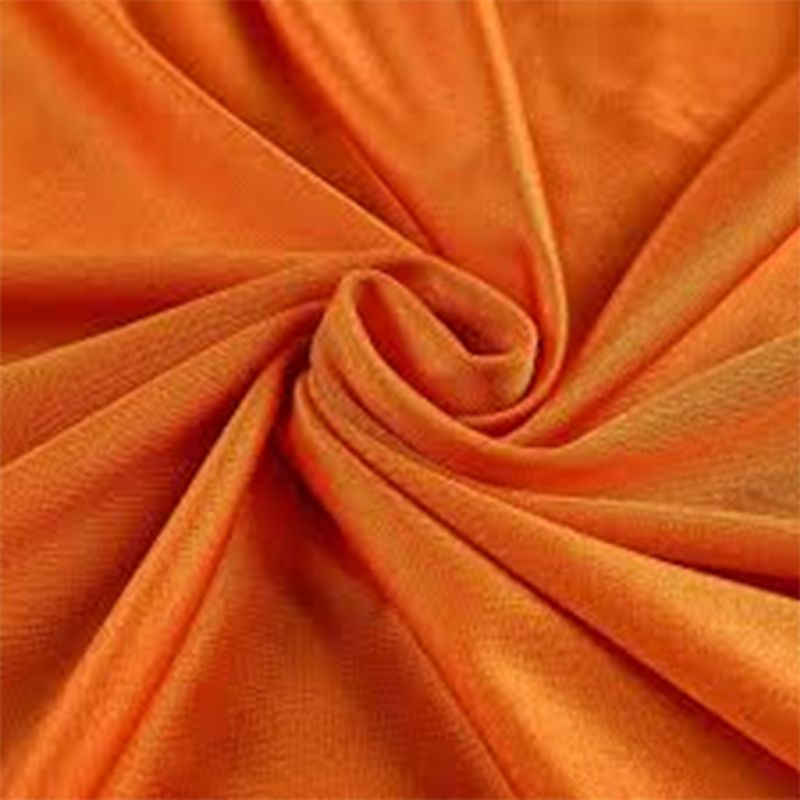
On the other hand, stretch towelling fabric is a blend of cotton and elastane (also known as spandex). The addition of elastane gives the fabric its stretchy quality. Usually, the percentage of elastane ranges from 5% to 15%, while the remaining is cotton. This blend combines the best of both worlds: the natural properties of cotton and the elasticity of elastane.

Absorbency
One of the most important features of a towel is its absorbency. Regular towelling fabric, with its high - cotton content and looped structure, has excellent absorbency. The cotton fibers can soak up a significant amount of water quickly, making it suitable for drying hands, bodies, and other wet surfaces.
Stretch towelling fabric, despite having a lower percentage of cotton, still retains good absorbency. The cotton component in the blend is responsible for absorbing water, while the elastane doesn't significantly hinder this process. In fact, the stretchy nature of the fabric can sometimes enhance its ability to conform to wet surfaces, allowing it to absorb water more effectively in some cases. However, in general, regular towelling fabric may have a slight edge in terms of pure absorbency due to its higher cotton content.
Comfort and Softness
Both regular and stretch towelling fabrics are known for their comfort. Regular towelling fabric is soft to the touch, thanks to the natural cotton fibers. The plush loops provide a gentle and cozy feel against the skin, making it a popular choice for bath towels and other personal use items.
Stretch towelling fabric also offers a high level of comfort. The blend of cotton and elastane results in a fabric that is not only soft but also has a bit of give. This stretchy quality allows the towel to move with the body, providing a more comfortable and flexible experience. For example, when using a stretch towel as a bathrobe, it can conform to the body's movements without feeling restrictive.
Durability
Durability is an important factor to consider when purchasing towels. Regular towelling fabric is relatively durable. Cotton is a strong fiber, and when properly cared for, regular towels can last for a long time. However, the looped structure of regular towels can sometimes lead to fraying and pilling over time, especially with frequent use and washing.
Stretch towelling fabric has a unique advantage in terms of durability. The addition of elastane makes the fabric more resistant to stretching out of shape. It can withstand repeated use and washing without losing its elasticity. The blend also helps to reinforce the fabric, reducing the likelihood of fraying and pilling. This means that stretch towels can maintain their appearance and performance for a longer period compared to regular towels.
Applications
Regular towelling fabric is widely used in various applications. It is the go - to choice for bath towels, hand towels, and kitchen towels. Its high absorbency and softness make it suitable for drying and cleaning tasks in the home. It is also commonly used in hotels and other hospitality settings.
Stretch towelling fabric, on the other hand, has some specialized applications. Its stretchy nature makes it ideal for sportswear and activewear. For example, stretch towels can be used as sweatbands or as part of workout clothing. They can also be used in fashion items such as stretch bathrobes and wraps, where the flexibility of the fabric adds a stylish and comfortable touch. If you're interested in different stretch fabrics, you can check out Blue Stretch Velvet Fabric, White Stretch Velvet Fabric, and Orange Stretch Fabric.
Cost
In terms of cost, regular towelling fabric is generally more affordable. Since it is made from 100% cotton, the raw material cost is relatively low. The production process is also well - established and straightforward, which further contributes to its lower price.
Stretch towelling fabric is usually more expensive. The addition of elastane increases the cost of the raw materials. The manufacturing process for stretch fabrics is also more complex, as it requires special weaving techniques to incorporate the elastane into the fabric. However, considering its durability and unique properties, the higher cost may be justified for some consumers.
Care and Maintenance
Both regular and stretch towelling fabrics require proper care to maintain their quality. Regular towelling fabric should be washed in warm water with a mild detergent. Avoid using bleach, as it can damage the cotton fibers and cause the fabric to lose its softness. It is also recommended to tumble dry on a low - heat setting to prevent shrinkage.
Stretch towelling fabric needs a bit more delicate care. Wash it in cold water to preserve the elasticity of the elastane. Use a gentle detergent and avoid fabric softeners, as they can coat the elastane and reduce its stretchiness. It is best to air - dry stretch towels to prevent over - heating and damage to the elastane.
Conclusion
In conclusion, both stretch towelling fabric and regular towelling fabric have their own unique advantages. Regular towelling fabric is a classic choice, offering high absorbency, softness, and affordability. It is suitable for a wide range of traditional applications.
Stretch towelling fabric, on the other hand, provides added flexibility, durability, and style. Its stretchy nature makes it a great option for active and fashion - conscious consumers. While it may be more expensive and require more delicate care, the benefits it offers can be well worth the investment.
If you're interested in purchasing stretch towelling fabric for your business or personal use, I encourage you to reach out for a procurement discussion. We can provide you with samples, discuss pricing, and help you find the perfect stretch towelling fabric for your needs.
References
- Textile Institute. Handbook of Textile Fibres: Natural Fibres. Woodhead Publishing, 2016.
- Lewis, M. Textiles. Oxford University Press, 2009.